


The Uselessness of Lucidity

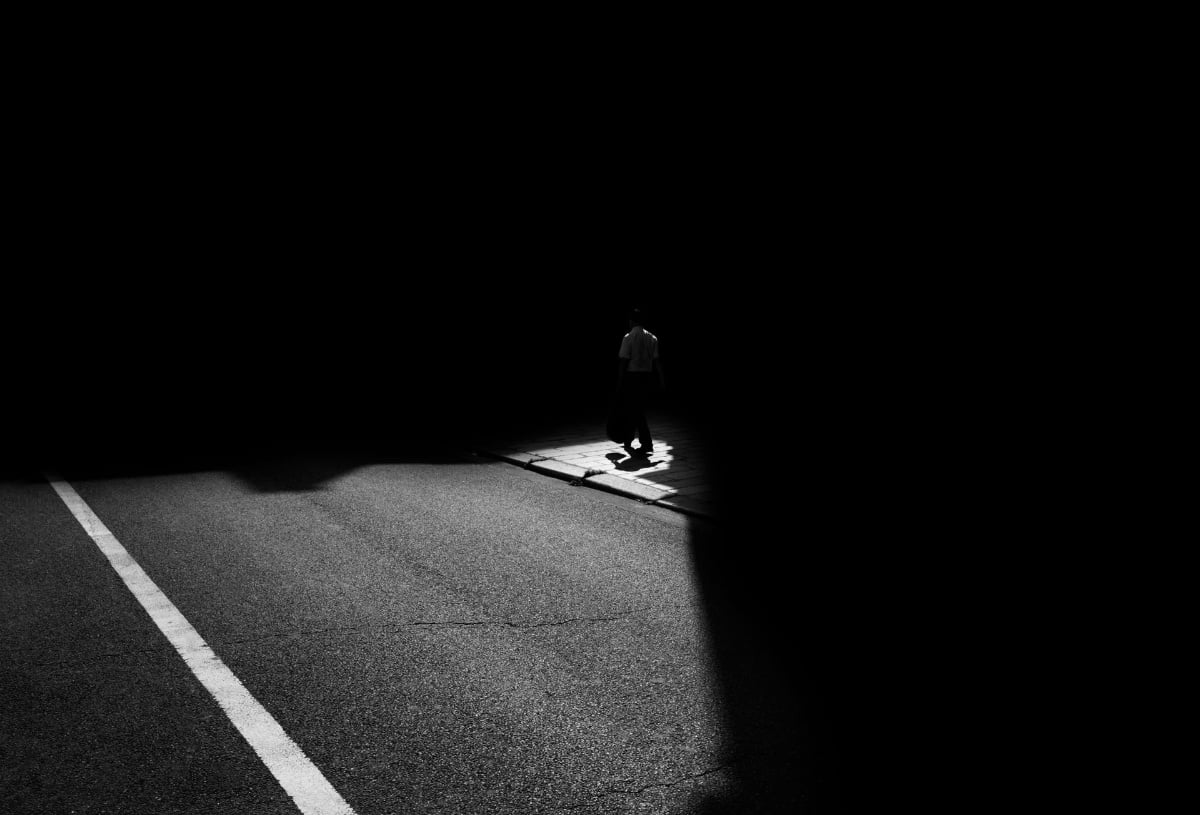
Consciousness is a wound that healed wrong. The other animals are shallow by mercy: pain moves through them like weather and leaves no tenant behind. Somewhere on the climb up from them we grew a second face turned permanently inward — an eye that will not close, a lamp someone switched on and then lost the switch to — and we had the vanity to call this affliction depth. To suffer on the inside is only this: to be the one creature awake in a house where everyone else is mercifully asleep. The ones who seem untouched have conquered nothing and climbed nothing; they have only kept their eyes shut. Lucidity is a tax, and it is collected at three in the morning, in a lit room, by a court that sits in permanent session and has never once heard a plea of innocence.
And here the thing turns rotten, because no one can bear to pay a tax for nothing. The moment we suspect our pain is the price of seeing clearly, we begin to love it. We pin it on like a medal. We look down from the height of our torment at the people who laugh too easily and mistake their peace for stupidity, our sleeplessness for rank. The underground knows this best: a man will choose to suffer, will refuse the warm rational paradise and spit in its soup, for the one savage pleasure of proving he is not a key on a piano, not a tooth in a wheel — that he is free, even when the only freedom left to him is the freedom to bleed on purpose. The wound becomes a throne. And no throne was ever climbed without a story told to justify the climb.
The story never changes. Suffering deepens us, it says; it tempers the blade, burns off the dross, leaves us harder and truer than it found us. It is the gentlest lie in the whole human repertoire, and it is still a lie. The fire we were promised would be an alchemist's furnace turns out to be an ordinary one: lead goes in, and lead comes out, only blackened. Pain teaches in a single afternoon everything it will ever teach; the hundredth sleepless night instructs no one who lived through the second. We call the waste growth because we cannot stand over the grave of so many burned years and say aloud that we were robbed rather than tested. The meaning is always nailed on afterward — a plaque screwed to a ruin.
Then the last wall, the one with no window. Suppose the suffering were noble. Suppose the vanity were earned. You could still never spend a coin of it, because it does not survive being carried out of you. Language is a sieve built to hold bread and let water through, and the one thing it cannot keep is this. The instant you lift the pain toward another face it thins into a pose, a complaint, an expression held up for an audience that will nod and feel nothing, while the real thing stays sealed in its room exactly as it was. You cannot exhibit the depth you secretly worship. You cannot even prove the wound is there. Whatever reaches the other person is a forgery of it — gentler, emptier — and they thank you for the forgery.
So count the walls. You suffer because you are awake. You grow proud of a suffering worth nothing. You tell yourself it forged you, so the waste will not show in daylight. And you find, last of all, that the one thing you built your whole self around cannot be handed to a single living soul. Four walls, and no door cut into any of them. The lamp that began all this is at last honest enough to light up this too — and the honesty buys nothing, frees no one, and cannot be set down. It only burns. That is the final shape of internal suffering: a clear flame in a sealed room, with no one to show the light to, and no switch left to turn it off.
Stay in the loop
Never miss a post.
Get new posts delivered straight to your inbox. No spam, unsubscribe anytime.
Loading engagement...